Soulmate Gem
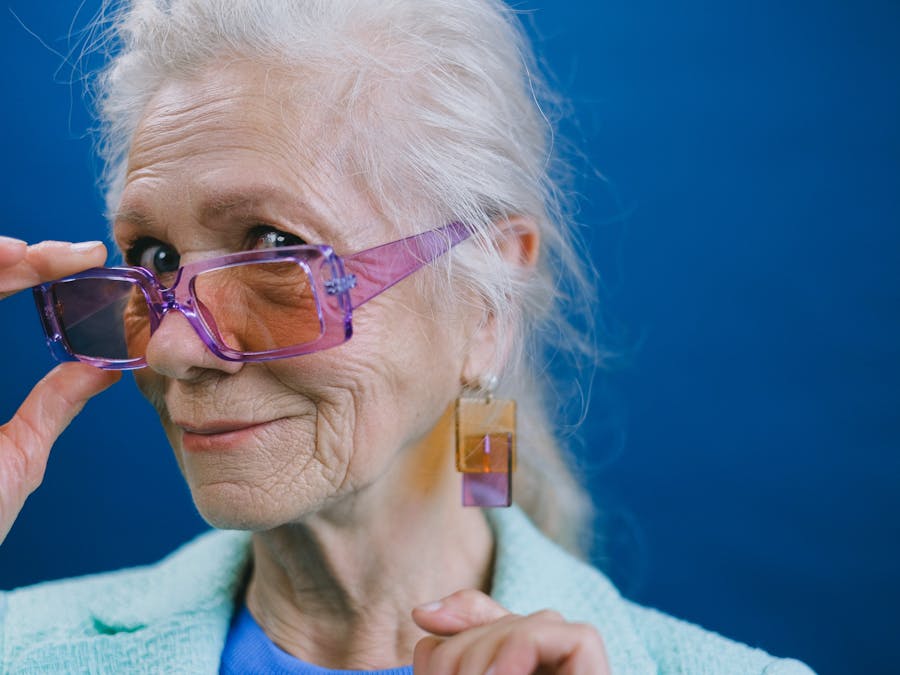
Photo by SHVETS production Pexels Logo Photo: SHVETS production

What was the marrying age in 1800?

2. They didn't marry young. At the end of the 18th century, the average age of first marriage was 28 years old for men and 26 years old for women.

Which zodiac signs will find love in 2022?

Lucky Zodiac Signs In Love 2022: Love Horoscope 2022 For 7 Lucky Signs Lucky Zodiac Signs In Love 2022. Is there love on your platter? ... Taurus....

Read More »
What zodiac is most curious?

It makes sense that Sagittarius would be considered one of the most curious zodiac signs, as the cosmic archers are on a never-ending quest for...

Read More »

1. They didn’t die young.

People lived to an average age of just 40 in 19th-century England, but that number is deceiving. Certainly, infants and children died of disease, malnutrition and mishaps at much higher rates than they do today. But if a girl managed to survive to adulthood, her chance of living to a ripe old age of 50, 60, 70 or even older was quite good. These odds only increased as the century progressed and improvements in sanitation, nutrition and medical care lengthened Victorian lifespans.

2. They didn’t marry young.

At the end of the 18th century, the average age of first marriage was 28 years old for men and 26 years old for women. During the 19th century, the average age fell for English women, but it didn’t drop any lower than 22. Patterns varied depending on social and economic class, of course, with working-class women tending to marry slightly older than their aristocratic counterparts. But the prevailing modern idea that all English ladies wed before leaving their teenage years is well off the mark.

3. They didn’t marry their cousins.

Marrying your first cousin was perfectly acceptable in the early 1800s, and the practice certainly offered some benefits: Wealth and property were more likely to remain in the same hands, and it was easier for young women to meet and be courted by bachelors within the family circle. Later in the 19th century, though, marriage between cousins became less common. Increased mobility due to the growth of the railroad and other widespread economic improvements vastly broadened a young lady’s scope of prospective husbands. Meanwhile, the Victorian era saw a rise in awareness of birth defects associated with reproduction among relatives. Cousin marriages remained popular among the upper class, however. Charles Darwin married his first cousin Emma Wedgwood, for instance, and Queen Victoria and Prince Albert were themselves first cousins.

4. They didn’t wear tight corsets.

The popular image of young ladies lacing themselves into corsets drawn up as tight as their maids could make them is a bit misleading. While the Victorian era did feature fashions that emphasized a tiny waist only achievable through the careful application of whalebone and ribbon, most women wore their daily corsets with a healthy dose of moderation—not to the point of swooning on the divan. Also, at the time, corsets weren’t simply a fashion statement: They were actually thought to encourage good, healthful posture and to keep the internal organs in proper alignment. And the extreme practice of removing ribs to slim the waist, rumored to have flourished in the Victorian era, simply didn’t exist

5. They didn’t wear pink.

Today’s approach to gender-specific colors would confuse—and likely amuse—our 19th-century counterparts. White was the preferred color for babies and children of any sex until they reached the age of about 6 or 7, mainly because white clothes and diapers could be bleached. As they grew older, children were dressed in paler versions of the colors adults wore. Red was considered a strong, virile, masculine shade, while blue was dainty, delicate, feminine. So young boys were more frequently seen in pink, while young girls favored pale blue. It wasn’t until the early 20th century—quite possibly as late as the 1940s—that pink began to be universally assigned to girls and blue to boys.

How do you know if a girl thinks you're handsome?

If she engages back, teasing and joking with you, there is a good chance she thinks you're cute. Note, however, that some people are shy and don't...

Read More »
What is the ideal age difference between a man and woman?

In short, research seems to indicate that in many cultures, an age gap of 1 to 3 years is considered ideal — but some researchers suggest even a...

Read More »

What is the most difficult part of being a widow?

What challenges does widowhood bring? As widows move through their own experiences of grief, loss, or trauma after the death of a spouse, they may...

Read More »
Do soul mates cheat?

One, almost every soulmate union is subject to the possibility of temptation and cheating. The difference is how you communicate and integrate your...

Read More »
Do he really love me?

Many times, the true signs are in the little things like his body language, the way he prioritizes you, or when he goes out of his way to try to...

Read More »
How do you forget someone you love who broke your heart?

Wise and other experts share advice for how to get over heartbreak. Allow yourself to feel your feelings. ... But don't become your feelings. ......

Read More »