 Soulmate Gem
Soulmate Gem
Soulmate Gem
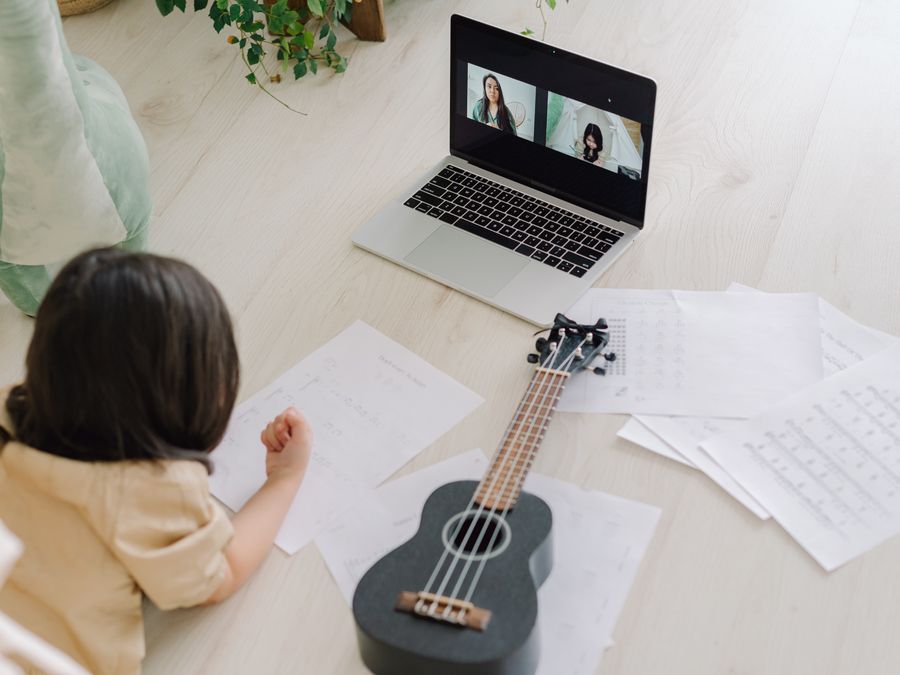
 Photo: Mikhail Nilov
“It is a solemn duty of a teacher to instil discipline in the students. It is not uncommon that teachers reprimand a student for not being attentive or not being up to the mark in studies or for bunking classes or not attending the school,” a Bench of Justices S.

17 Ways To Make Her Chase You Make a unique first impression. Save. ... Mind your appearance when you are around her. ... Show her your mysterious...
Read More »
Saturn in conjunction with the concerned Houses, can give the native any kind of fame. It also gives the native a tantric or sanyasi kind of fame...
Read More »October 05, 2021 10:05 pm | Updated 10:05 pm IST - NEW DELHI Disciplinary measures adopted by a teacher or other authorities of a school, reprimanding a student for his indiscipline, will not tantamount to provoking a student to commit suicide, the Supreme Court held in a judgment on Tuesday. “It is a solemn duty of a teacher to instil discipline in the students. It is not uncommon that teachers reprimand a student for not being attentive or not being up to the mark in studies or for bunking classes or not attending the school,” a Bench of Justices S. Abdul Nazeer and Krishna Murari observed. A mere reprimand or disciplinary action will not translate to the crime of abetment of suicide unless “there are repeated specific allegations of harassment and insult deliberately without any justifiable cause or reason”. The court said the old adage “spare the rod and spoil the child” may have lost its relevance in the modern world. But that does not mean the teacher should shut his eyes to any and every act of indiscipline by a child, Justice Murari, who authored the verdict, said. “A simple act of reprimand of a student for his behaviour or indiscipline by a teacher, who is under moral obligation to inculcate the good qualities of a human being in a student, would definitely not amount to instigation or intentionally aid to the commission of a suicide by a student,” Justice Murari observed. The court said it was not only the moral obligation of a teacher but also his “legally assigned duty” under Section 24 (e) of the Right of Children to Free and Compulsory Education Act, 2009 to hold regular meetings with the parents and guardians and apprise them of the regularity in attendance, ability to learn, progress made in learning and any other act or relevant information about the child. The case concerned the death of a 14-year-old by suicide in Rajasthan in 2018. The appellant, a teacher, was accused of ‘insulting’ the boy, a student in the same school. However, the court said the teacher had found the boy regularly bunking classes and had first reprimanded him. However, on account of repeated acts by the boy, the teacher had brought the fact to the knowledge of the school principal, who called the parents on telephone to come to the school.

7th house In an astrology chart, 7th house is the house of partnership (whether life or business). According to our Karmic balance, we find our...
Read More »
The ovary is connected to her uterus through the fallopian tube. The egg stays within this tube where it can meet the sperm of her husband after...
Read More »
Shortages have been driven by a shrinking teacher education pipeline, high rates of turnover, and increased demand as districts replaced positions...
Read More »
Cute Things to Text a Guy to Make Him Smile. You are the grilled cheese to my tomato soup! My heart is doing backflips right now as I think about...
Read More »
What is important with lip-on-lip kissing and other types of kissing is that the moment is about sharing close, intimate information about each...
Read More »
While homoromantic is about romantic attraction, gay refers to sexual attraction. Sex and romance may come to mind first, but intimacy plays a role...
Read More » Promotion
 Promotion
 Promotion