 Soulmate Gem
Soulmate Gem
Soulmate Gem
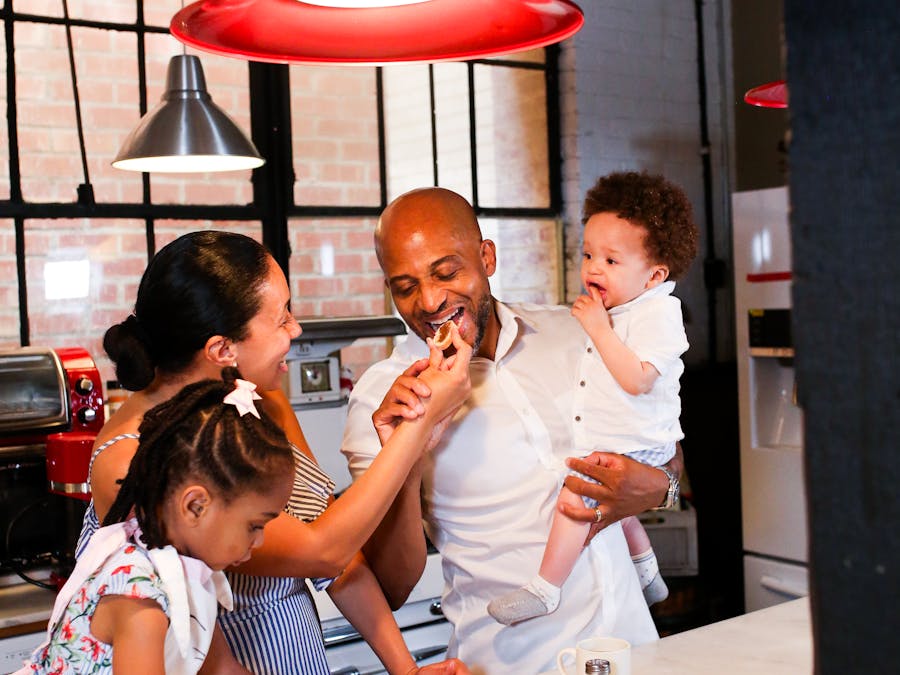
 Photo: RODNAE Productions
A study from Princeton University and Stony Brook University found that parents and nonparents have similar levels of life satisfaction, but parents experienced both more daily joy and more daily stress than nonparents. “Life without children is simply much more stable,” Glass says.

We have created a list of 10 social networks for artists to explore in 2022! DeviantArt. Founded in August 2000, DeviantArt is the largest online...
Read More »
Intimacy is the feeling of closeness and belonging we have in our personal relationships. It is a familiar and very close emotional connection with...
Read More »
Monoamniotic-monochorionic Twins This is the rarest type of twin, and it means a riskier pregnancy as the babies can get tangled in their own...
Read More »
Why do twin flames go silent? Twin flames may go silent if they aren't ready to embrace the relationship. They may even want to put things on hold...
Read More »Money is a major factor that affects parental happiness. In a 2019 study, researchers found that when they removed financial difficulties from the equation, having children did increase happiness. The average cost of raising a child from birth to age 17 in the U.S. was estimated to be over $233,000 in 2015 (the most recent Consumer Expenditures Survey data from the USDA). In January, CNBC Make It estimated that the average American household with kids spends about $11,000 in yearly direct and indirect child care costs alone. In addition, "what we have in the United States is a social structure in which we've made parenthood particularly difficult," Glass says. A 2017 study found that parents in the U.S. are significantly less happy than parents in other developed nations that provide more generous family policies, such as paid parental leave. (In Finland, for example, new parents are given a box of baby items after giving birth and they get 164 days of paid leave each.) In most cases, childfree adults — people who have made the very intentional and explicit choice to opt out of parenthood — may have more freedom, time and money to do things that they find fulfilling, Blackstone says. Nonparents are able to spend their money in ways that have been shown to increase happiness, like putting money toward personal growth or connecting with communities. People who are childfree by choice also tend to donate more money to causes that matter to them, and plan for old age. "Because we're not spending our money rearing kids, many of us are able to sock away money for retirement and in a way that parents may not be able to do," Blackstone says.

There is ample evidence to show that as millions of human sperm cells swim towards a waiting ovum or egg, only one gets to fertilize it. Now, a new...
Read More »
For some, a soulmate may be considered our “better half”: someone with whom we are connected on a spiritual level, where the relationship exists...
Read More »
Positive, or yang, polarities are fire and air signs: Aries, Gemini, Leo, Libra, Sagittarius, and Aquarius. Negative, or yin, are water and earth...
Read More »
Incest (/ˈɪnsɛst/ IN-sest) is human sexual activity between family members or close relatives.
Read More » Promotion
 Promotion
 Promotion